
Augusta, Georgia is a city celebrated for its southern hospitality, lush green spaces, and a deep-rooted sense of history that infuses every street and corner. Nowhere is this more evident than in Westside, a neighborhood that has gracefully evolved through the decades while holding close the traditions and stories that make it unique. As a longtime resident, I’m thrilled to share why Westside is so much more than a zip code — it’s a vibrant community, layered with heritage and pride.
The Origins of Westside: From Farmland to Friendly Streets
The story of Westside’s origins takes us back to the early 20th century, when the area was largely rural, dotted with farmsteads and dense woods. The fertile land west of downtown Augusta attracted settlers seeking space and opportunity as the city itself started to grow beyond its original urban core. The construction of the historic Wrightsboro Road, neatly bisecting the area, became a major thoroughfare that spurred development and commerce.
Local lore says that the neighborhood’s name, "Westside," started as a simple descriptor — locals would head “to the west side of town” for open air, larger lots, and a quieter pace. The name stuck as streets, homes, and businesses emerged, slowly morphing from patches of pasture to a charming residential enclave.
Key Milestones in Westside’s Growth
Westside’s growth mirrors many southern neighborhoods, shaped by national trends and local determination. A few milestones mark its unique journey:
- 1920s-1940s: As Augusta expanded outward, modest bungalows and brick cottages sprang up along Wrightsboro Road, Sibley Road, and Highland Avenue. The first neighborhood schools were founded, providing a community anchor that continues to this day.
- Post-World War II: GI Bill benefits enabled returning veterans to purchase homes here, bringing new families and energy. The area’s iconic ranch-style homes began appearing in neighborhoods like Forest Estates and Amberly.
- 1960s-1970s: The arrival of Augusta Mall on the neighborhood’s southern edge, along with new shopping plazas and eateries, transformed the area into a retail and social hub — not just for Westside but for the entire city.
- Recent decades: Westside has seen renewed investment in its parks, schools, and infrastructure. Community events, preservation initiatives, and neighborhood associations have all contributed to a continuing sense of pride and togetherness.
Notable Landmarks and Beloved Institutions
Westside is rich with landmarks, each telling its own piece of the neighborhood’s story. Some of these places remain daily destinations for residents; others are quiet reminders of the past.
- Augusta Mall: While shopping malls may seem commonplace, Augusta Mall — opened in 1978 on Wrightsboro Road — marked a sea change for commerce in the Westside. It continues to be a gathering spot for shopping, events, and community programs.
- Lake Olmstead Park: Nestled along Broad Street, this park predates much of the neighborhood itself, offering generations ample room for picnics, baseball games, and lazy afternoons along the water. The lake, once part of Augusta’s canal system, remains one of the community’s loveliest refuges.
- Westside High School: Established in the 1970s during a period of significant educational investment, the school has produced graduates who've gone on to become community leaders, athletes, and educators.
- Historic Churches: From the stone facade of Pierce Avenue Baptist Church to the vibrant ministries housed along Davis Road, Westside’s churches have been pillars for faith, support, and unity since the neighborhood’s earliest days.
- Old Wrightsboro Road: The “spine” of the Westside, this street reflects the evolution of Augusta’s transportation and culture — from dirt road days to modern thoroughfare.
Street Scenes: A Neighborhood of Parks, Homes, and Gathering Places
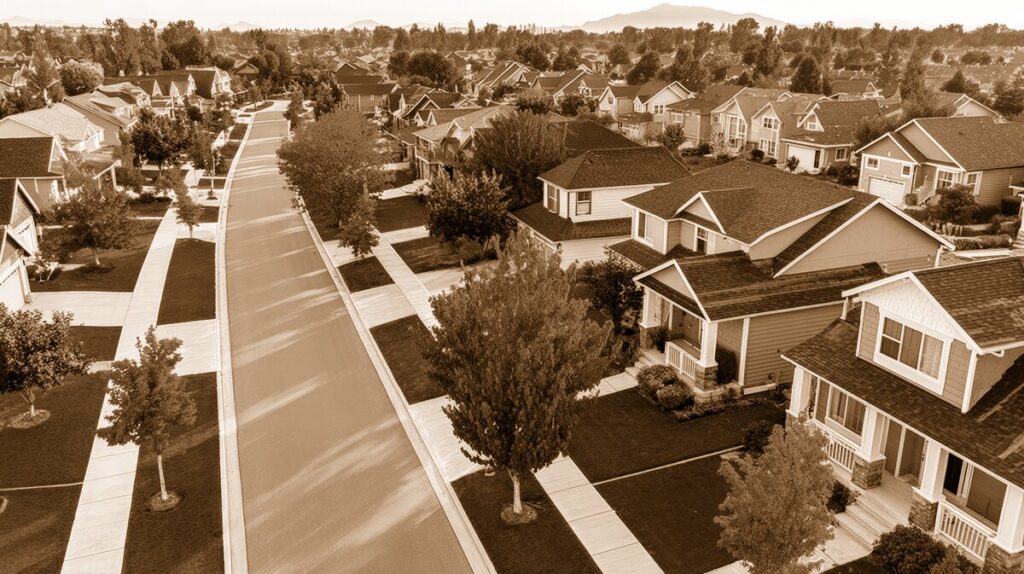
Ask any resident what makes Westside special, and you’ll likely hear about its tree-lined avenues, well-tended lawns, and sense of neighborly camaraderie. Popular streets like Pleasant Home Road, Highland Avenue, and Haynie Drive are more than just routes from here to there — they frame the rhythms of daily life, from evening jogs to block parties.
- Pendleton King Park: Just on the eastern edge, this beloved green space welcomes locals with walking trails, bird-watching, and lush gardens — a favorite for families and nature enthusiasts alike.
- Local Eateries and Shops: Over the decades, Westside’s culinary scene has continued to grow. Spots like Sconyers Bar-B-Que offer classic southern fare in true Augusta tradition, while newer eateries on Wheeler Road keep the dining scene dynamic.
Evolution Through Decades: From Quiet Suburb to Busy Hub
Westside’s character has shifted with each generation. The transition from rural farmland to burgeoning suburb was spurred by Augusta’s westward expansion; postwar prosperity brought new homes and schools, and the addition of shopping centers like Augusta Mall in the 1970s turned Westside into a destination for the entire CSRA (Central Savannah River Area).
Recent years have seen a movement to preserve the neighborhood’s mid-century charm while embracing new investments in infrastructure and green space. Young families, retirees, and longtime residents now share this slice of the city, bound by a collective appreciation for Westside’s welcoming spirit. Community watch programs, beautification drives, and annual neighborhood celebrations — including autumn festivals and holiday parades — keep traditions alive.
What Makes Westside Special
Ultimately, Westside endures not just because of its storied past, but due to the people who call it home. It’s a place where neighbors share tomatoes from backyard gardens, cheer at high school football games, and lend a hand during tough times. Whether you’re strolling the shady paths of Lake Olmstead Park, marveling at the azaleas on Pleasant Home Road, or catching up with friends at a neighborhood eatery, you’re participating in a legacy decades in the making.
For those seeking a community with roots and heart — and a strong sense of where it’s been and where it’s going — Westside stands as a warm, welcoming testament to Augusta’s enduring charm.